
Owner feedback status
We found no stable aggregate rating in an approved source during this audit, so this page does not estimate or invent a star score.
Who this fits best
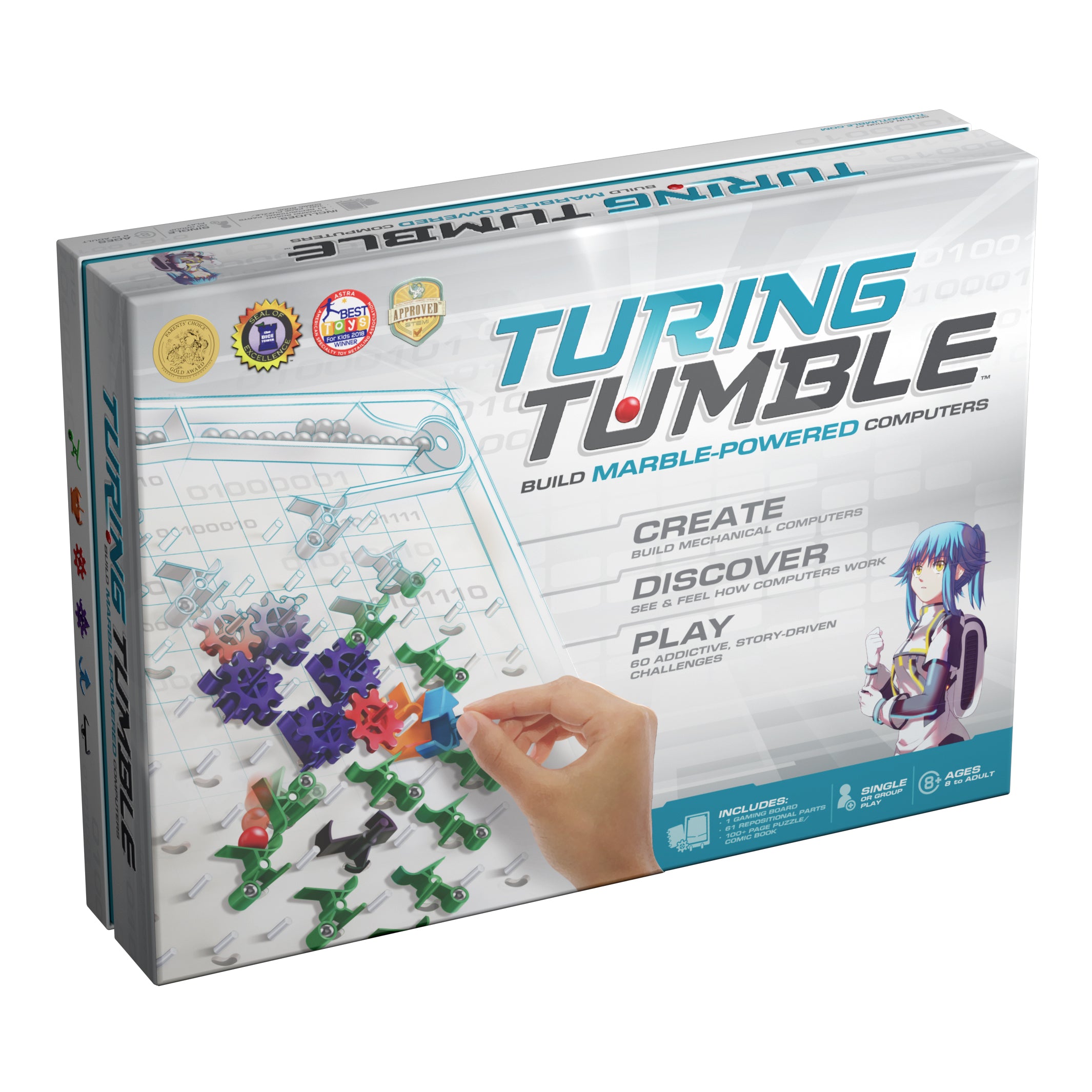
Best screen-free computer logic game. A marble-powered mechanical computer with 60 puzzles that lets children build working logic with ramps, crossovers, bits, interceptors, and gears—without batteries or a screen.
Strengths
- Deep offline logic progression
- Makes computer concepts physical
Tradeoffs
- Many marbles and small pieces
- Abstract challenges may need adult encouragement
Educational value
The strongest learning value comes when the child actively builds, predicts, explains, experiments, tells a story, or revises an idea. Adults can increase replay value by setting a fresh challenge instead of directing every step.
Safety and quality check
Check the exact model and packaging received, keep small parts away from younger siblings, inspect charging components and magnets where applicable, and search the Toy Safety Center before buying used.
Verdict
A marble-powered mechanical computer with 60 puzzles that lets children build working logic with ramps, crossovers, bits, interceptors, and gears—without batteries or a screen. The right choice depends on the child’s interests, the adult setup burden, storage, ongoing costs, and whether the play pattern will still feel rewarding after the novelty period.